
We have methods for recycling excavated material directly on-site or converting it into marketable products at a facility, rather than simply sending it to a landfill. The main advantage of washing excavated material is that the method is relatively simple and allows for quick recycling when the material does not contain complex contaminants. However, most contaminants can be removed as long as the right method is chosen.
Laundry equipment that gets the job done
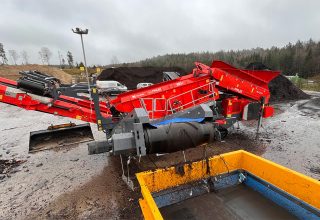
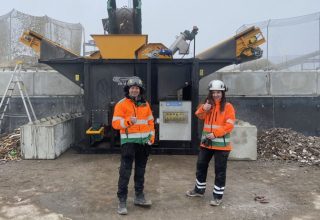
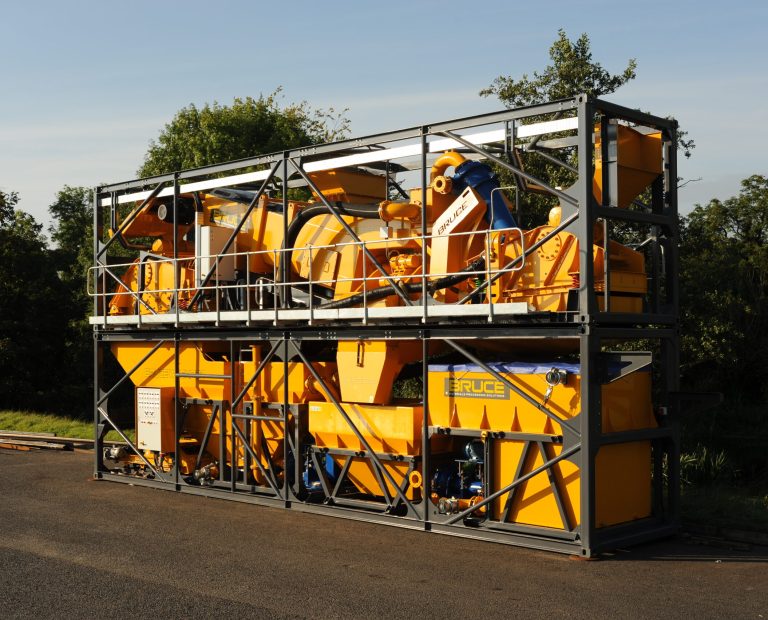
Norditek specializes in modular washing plants that are flexible and mobile, making them suitable even for smaller-scale operations. This makes it possible to recycle excavated material into sand and gravel even in projects that would otherwise lack the financial resources for a large, permanent facility.
Mobile laundry equipment has several advantages:
- Capability to handle muddy and sticky materials:Our washing plants can process muddy and sticky materials and recover very fine fractions.
- Particle sizes down to 0.1 mm:Norditek’s modular system makes it possible to produce particle sizes down to 0.1 mm. The result is clean, high-quality sand and gravel.
- Scalable and modular:The systems can be expanded from simple recycling to more advanced sorting and are compatible with Norditek’s Screening plants air classifiers.
- Lower investment:The mobile recycling plant requires a relatively small investment and offers greater flexibility because it can be adapted to the composition of the materials.
In addition to washing, Norditek also offers Screening plants, air separators, magnets, and belt conveyors that work in conjunction with the washing systems to create a complete recycling process.
The right method for the right materials
Excavated material may contain clay, silt, sand, gravel, stone, and various contaminants. Depending on the composition, both wet and dry methods are available to enable the reuse of the material in other projects. It is therefore important to begin with an analysis of the material’s composition in order to select the right combination of screening, crushing, washing, and separation. A thorough analysis reveals what can be recycled and what requires further processing.
Examples of materials suitable for washing:
- Mixed soil with gravel, sand, or geotextile
- Contaminated soil (e.g., metals or chemicals)
- Loose soil with a high clay or moisture content
- Soil mixed with organic matter, stones, or metal
When the right screening media are used for parameters such as moisture content, clay content, and roots, production can be optimized and recycling improved.
Examples of projects and development trends
Norditek, together with its partners, has developed a washing process that combines dry screening and washing. The process increases capacity and water efficiency while ensuring a high-quality end product. In the dry stage, large stones and clay are sorted out to increase capacity and reduce water consumption—the clay then does not need to be washed. Afterward, all iron is separated before washing begins. The washing process itself removes silt, clay, and contaminants such as textiles, wood, and plastic, leaving behind clean sand and stone completely free of impurities. The wash water is purified in a sedimentation basin and then returned to the process, allowing up to 90% of the water to be reused.
This process allows contaminated material to be reused in infrastructure projects instead of being sent to landfills. Ragn-Sells points out that washing and reusing soil reduces the burden on landfills and increases the supply of recycled aggregate. The goal is to meet cities’ climate targets, such as Gothenburg’s ambition to use at least 50% recycled aggregate by 2030.
Summary and Next Steps
Washing excavated material is the key to transforming problematic waste into a valuable resource. With modern washing solutions, modular facilities, and the right analysis, you can:
- Extract clean fractions of sand, gravel, and stone from materials that would otherwise have been sent to a landfill.
- Reduce the number of trips, save money, and achieve significant environmental benefits.
- Scale capacity up or down depending on the size and needs of the project.
- Help Sweden achieve its goals of increasing ballast recycling and reducing its carbon footprint.
Norditek offers flexible washing solutions that can be adapted to different types of soil and projects. Would you like to learn more about how to recycle excavated soil, contaminated soil, or production waste? Contact us for a customized solution.