

Aluminum, copper, and brass are valuable raw materials—but they are difficult to separate from a mixed waste stream because they are not magnetic. This is where the eddy current magnet, or eddy current separator, comes into play. The technology is elegant and effective, and it can turn what previously went to landfills or incineration into a direct source of revenue.
The principle: rotating magnets create a repulsive force
An eddy current magnet consists of a rotating core made of powerful neodymium magnets. When a non-magnetic (or very weakly magnetic) conductive material—such as a piece of aluminum—passes over the core, eddy currents are induced in the metal. These currents repel the metal away from the conveyor belt, creating a separate fraction.
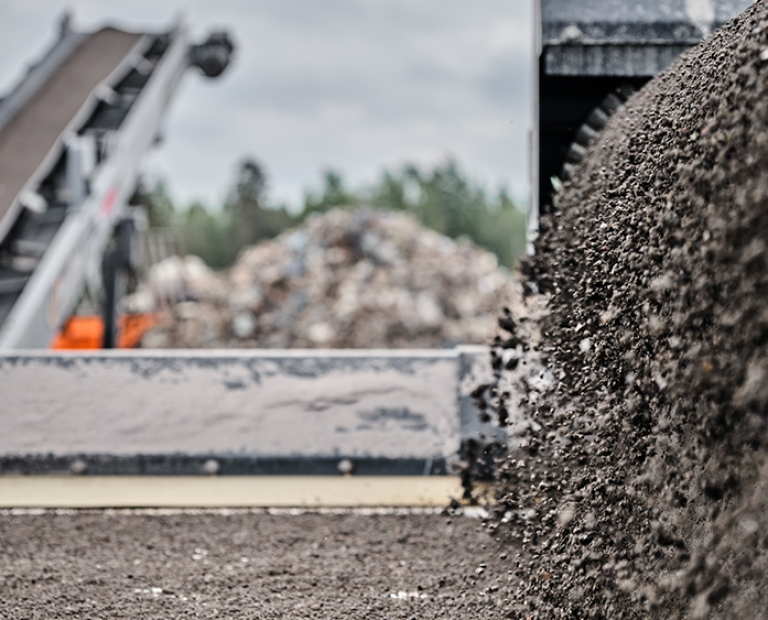
The result is that metal can be separated from plastic, wood, stone, and other materials with high precision—down to particles as small as 0.5 mm. The lighter and more electrically conductive the metal is, the more effective the separation process. Aluminum is one of the easiest materials to separate using this technology, but copper and brass are also separated effectively. Choosing the right magnet for the material involves starting with a proper analysis of the material, which determines the magnet type, number of Gauss, and other factors. This knowledge is crucial for achieving the maximum metal recovery rate.
Why is it economically important to recycle these metals?
Aluminum recycling is one of the most energy-efficient processes in the entire recycling industry. It requires only a fraction of the energy needed to produce aluminum from bauxite. In Sweden, it is estimated that aluminum worth nearly two billion kronor is lost each year due to inadequate sorting—a cost that can largely be avoided with the right technology.
Similar figures apply to copper: recycling saves up to 85 percent of the energy required for new production, and the recycled material retains nearly its full value. Brass and other alloys offer even greater benefits.
In short: every part per thousand of these metals recovered from the waste stream adds direct economic value.
Applications
- Bottom ash from waste incineration — recovery of metals that would otherwise be lost
- Construction and demolition waste — copper, aluminum, and brass from installations
- Crushed materials — metals are released during crushing and can then be separated
- Park and garden waste containing metal objects
- Industrial waste containing metal residues
Integration into your line
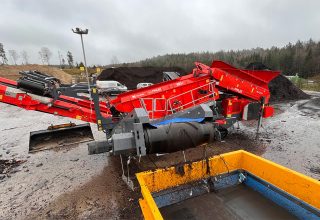
An eddy current magnet works best when the incoming material is the correct size and relatively free of coarse contaminants. For this reason, it is typically placed after a Screening plants a crusher, and is often combined with an overhead magnet that handles the magnetic metals (iron and steel) in a first step. Norditek’s eddy current magnets are available in three basic sizes and can be directly connected to, for example, a Screening plants a compact and efficient system flow.
Summary
An eddy current magnet is an investment that often pays for itself quickly—the metals it recovers quickly add up. When properly sized and integrated into your production line, it can make a significant difference in your recovery rate and revenue.
Please contact us at Norditek if you’d like to test the technology on your own materials. We’ll conduct test runs and help you determine the right specifications.