

The recycling industry is changing rapidly. Regulatory requirements are becoming stricter, material markets are demanding higher levels of purity, and municipalities are expected to take on an increasing amount of responsibility for ensuring that materials are actually recycled—not just collected. In this context, flexibility and scalability are crucial. This is the essence of a modular approach: building a production line that can be adapted as conditions change, without having to tear everything down and start over.
What does "modular recycling" mean?
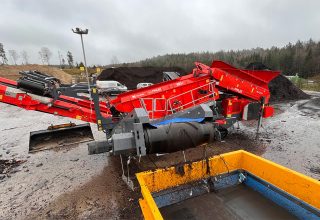
A modular recycling line consists of machines designed to work together—mechanically, electrically, and in terms of material flow. Each module performs a specific task: crushers reduce material size, Screening plants fractions, air screens remove light contaminants, magnets sort out metals, and water bath materials by density.
The key point is that these modules can be combined and replaced individually. If the material flow changes—for example, if a new fraction is added or capacity requirements increase—a new module can be added without having to rebuild the entire line.
Benefits for municipalities
For municipalities with limited investment budgets, the modular approach is particularly valuable. The investment can be made in stages: start with the most critical modules for the most common material flows and expand as needs and the budget allow. This reduces the initial capital risk and makes it easier to justify the investment internally.
The modular system also simplifies the procurement process: it allows you to specify functional requirements for each module, compare alternatives, and ensure that individual components meet the requirements without being locked into a single vendor’s system.
Benefits for recycling companies
For private operators, the key factors are flexibility and profitability. A recycling line that can be quickly reconfigured for a new material—or scaled up to increase capacity—provides a clear competitive advantage. Modular systems also make it possible to rent, lease, or purchase machines depending on the business model and the long-term reliability of the material supply.
Example: a complete line for construction waste
A typical scenario at a recycling facility that handles construction waste might look like this:
- A jaw crusher or impact crusher reduces the feed material to a manageable size
- Screening plants flip-flow technology separate fractions by size
- windshifter plastic, paper, and light organic contaminants
- Overhead magnet handles iron and steel
- An eddy current magnet separates aluminum, copper, and brass
- water bath the remaining mixed fraction by density
Each step in the process increases the purity of the final fractions and boosts their market value. The system can be started with just a few modules and expanded as needed.
Future-proofing
Perhaps the most important feature of a modular system is its ability to adapt to future requirements. The EU’s stricter regulations regarding packaging and construction waste, among other things, mean that material recycling requirements will increase in the coming years. A facility that is currently designed to meet these requirements—and that can be scaled up as they become even stricter—is a strategic asset.
Summary
A modular approach to recycling puts you back in control. You set the pace of your investment, you can adapt the system as conditions change, and you build a facility that will last for years to come. Norditek has been providing modular solutions to recycling facilities and municipalities for many years. Get in touch —we’ll help you plan a line that meets your needs today and tomorrow.