

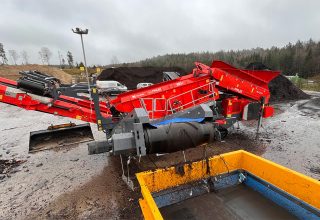
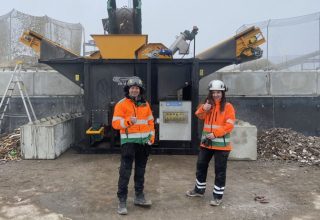
Many biogas production facilities generate a residual material—a contaminated by-product filled with plastic, organic matter, and other contaminants. This material is often viewed as hazardous waste destined for landfills or incineration. At Norditek, we see something different: the opportunity to separate, process, and recycle.
In this video, we show how contaminated waste can be transformed into clean fractions that provide both economic and environmental benefits.
What is biogas production waste?
Digestate is what remains after organic material has been converted into biogas. It often contains plastic debris, soil, and other contaminants that make it difficult to recycle.
The challenge – and why it matters:
Managing rejects in a sustainable and profitable way has several advantages:
• Reduced landfill costs
• Reduced environmental impact
• Increased resource efficiency
• Ability to collect plastic and organic materials for recycling and energy recovery
Our :
Through test runs, material analysis, and the use of flexible machine systems, we can:
• Separate plastic from organic waste and soil
• Create clean fractions for recycling
• Optimize processes to suit each individual material flow
A concrete example:
In a recent test run, we processed a byproduct from biogas production with a high level of contamination. The result:
• Clean soil fraction
• Plastic removal
• Significantly reduced waste sent to incineration
The potential for additional material streams:
We know that many material streams in Sweden and the Nordic region hold untapped potential. Whether it’s biogas residues, excavated material, bioash, or other difficult-to-process materials—with the right pretreatment, much more can be recovered.
Would you like to know what you can do with your material?
We offer material testing services in which we analyze and calculate the potential for recycling and processing. Contact us and send us a photo or a material sample—we’ll determine what’s possible.